Culinary Skill Development:
Participants have the opportunity to improve their cooking skills, experiment with new ingredients and techniques, and gain valuable experience in a competitive environment.
Creativity and Innovation:
Competitions often encourage participants to think outside the box and come up with innovative dishes. Trying to stand out from the crowd fosters creativity and originality.
Time Management:
Participants learn to work efficiently under time constraints, enhancing their ability to multitask and manage their workflow effectively.
Teamwork (If Applicable):
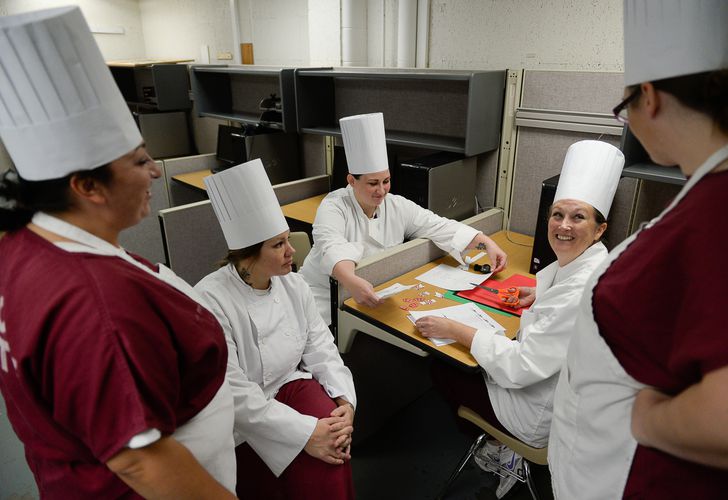
In team-based competitions, participants develop teamwork and communication skills as they collaborate to create a cohesive dish within the given time frame.
Pressure Handling:
Cooking competitions simulate high-pressure situations, teaching participants to handle stress, stay focused, and deliver quality results under challenging conditions.
Confidence Boost:
Successful participation can boost self-confidence and self-esteem, as participants receive validation for their culinary talents and efforts.
Exposure and Networking:
Participants get a chance to showcase their skills in front of judges, peers, and potentially a wider audience, which can lead to networking opportunities within the culinary industry.
Constructive Feedback:
Feedback from judges provides valuable insights into participants' strengths and areas for improvement, helping them refine their cooking techniques and flavor combinations.
Showcasing Diversity:
Competitions often feature a diverse range of cuisines and cooking styles, promoting cultural awareness and appreciation for different culinary traditions.
Community Building:
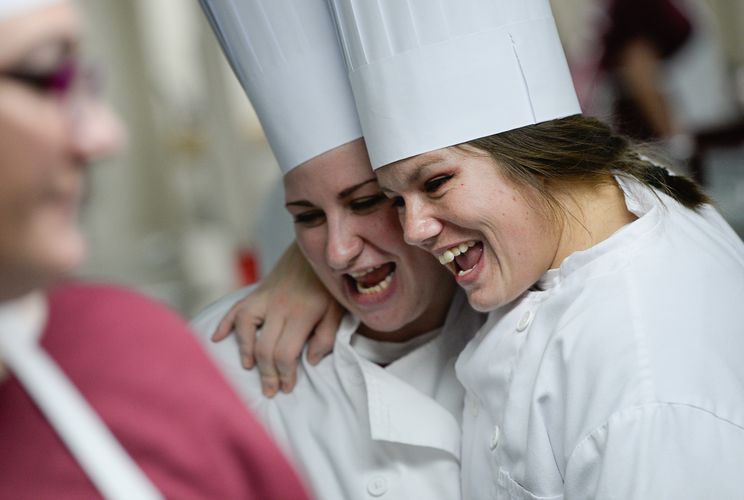
Cooking competitions bring together people who share a passion for cooking, fostering a sense of community and camaraderie among participants and enthusiasts.