Home
About
Games

Gallery
Contact
LogOut

Introduction Of Hide & Seek Kids Game!
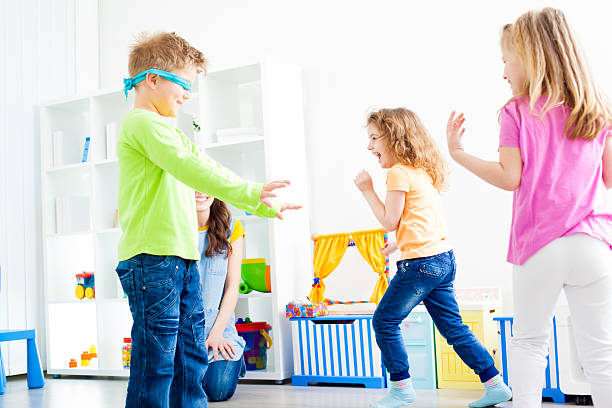
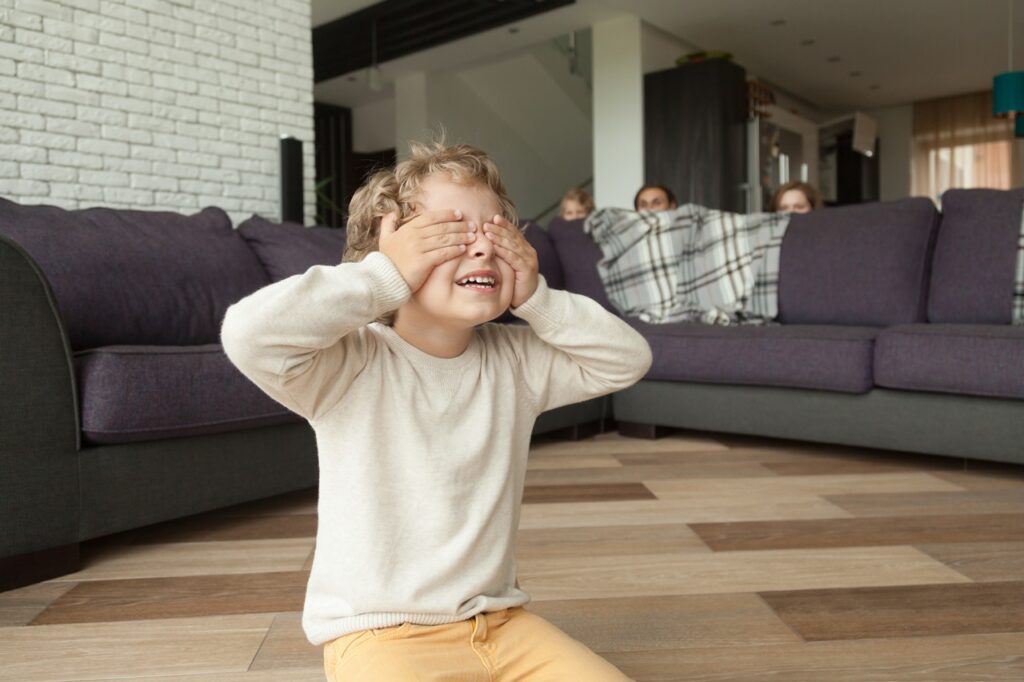
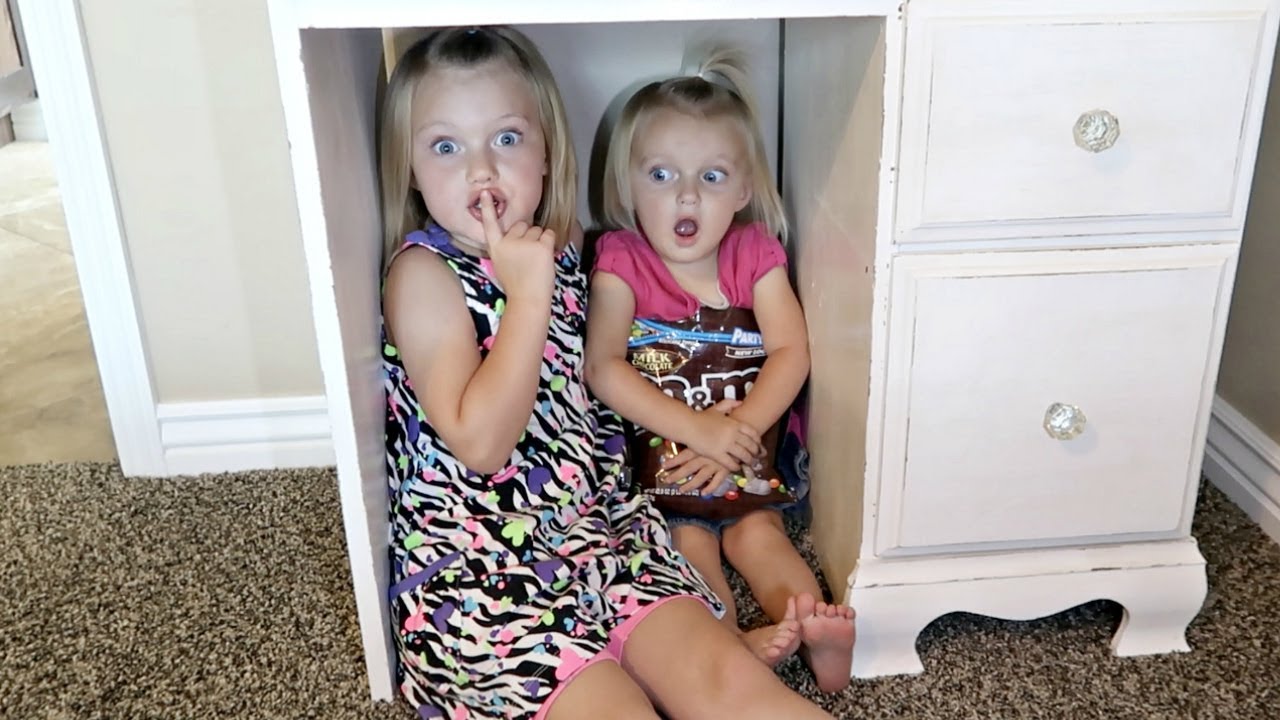
"Hide and Seek, a beloved indoor kids' game, involves one child hiding while others count, then searching to find the hidden player. It fosters joy, imagination, and interactive fun Hide and Seek, a cherished indoor game for kids, sparks giggles as players take turns hiding and seeking. This imaginative activity encourages creativity, teamwork, and the thrill of discovery."

Hide & Seek Game Playing Criteria!

Participating in indoor Hide and Seek involves a combination of skills, cooperation, and creativity. Here are the criteria for kids playing this engaging game:

Hiding Skills: Players should find creative and strategic hiding spots that challenge seekers.
Observational Skills: Seekers need keen observation to spot hidden players' locations.
Patience: Hiders must stay hidden quietly until found, showing patience and discipline.
Team Rotation: Fair play involves rotating roles between hiders and seekers to give everyone a chance.
Counting Responsibly: Players counting during the start of the game must count accurately and avoid peeking.
Listening Skills: Seekers should listen for any telltale signs or noises that reveal hiders' locations.
Cooperation: Players must adhere to game rules, respecting the boundaries of the play area.
Spatial Awareness: Navigating the area and assessing potential hiding spots sharpens spatial awareness.
Imagination: Hiders need creative thinking to find novel and unexpected hiding places.
Observing Patterns: Seekers can recognize patterns in hiding spots to anticipate hiders' choices.

Certainly, here's a suggested duration for each round of an indoor Hide and Seek game:

Round 1:
Hiding Time: 5 minutes.
Seeking Time: 3-4 minutes.
Round 2:
Hiding Time: 4 minutes.
Seeking Time: 2-3 minutes.

Kids Hide & Seek Game Benefits

Indoor Hide and Seek offers children a variety of benefits that contribute to their development and enjoyment:

Physical Activity: The game involves moving around, which promotes physical exercise and coordination.
Social Interaction: Players engage with peers, fostering social skills, communication, and teamwork.
Imagination: Choosing hiding spots and strategizing encourages creative thinking and imaginative play.
Problem-Solving: Hiders and seekers develop problem-solving skills by assessing locations and making decisions.
Listening Skills: Seekers refine their ability to listen carefully for clues about hidden players' locations.
Patience: Hiders learn to stay quiet and remain still while seekers search, building patience and discipline.
Spatial Awareness: Players enhance their understanding of spaces and objects by navigating the environment.
Focus and Concentration: Seekers must concentrate to find hidden players, while hiders focus on staying concealed.
Fair Play: Children learn to follow rules, respect turns, and demonstrate sportsmanship.
Decision-Making: Seekers choose which hiding spots to check first, developing decision-making skills.