Player Arrangement:
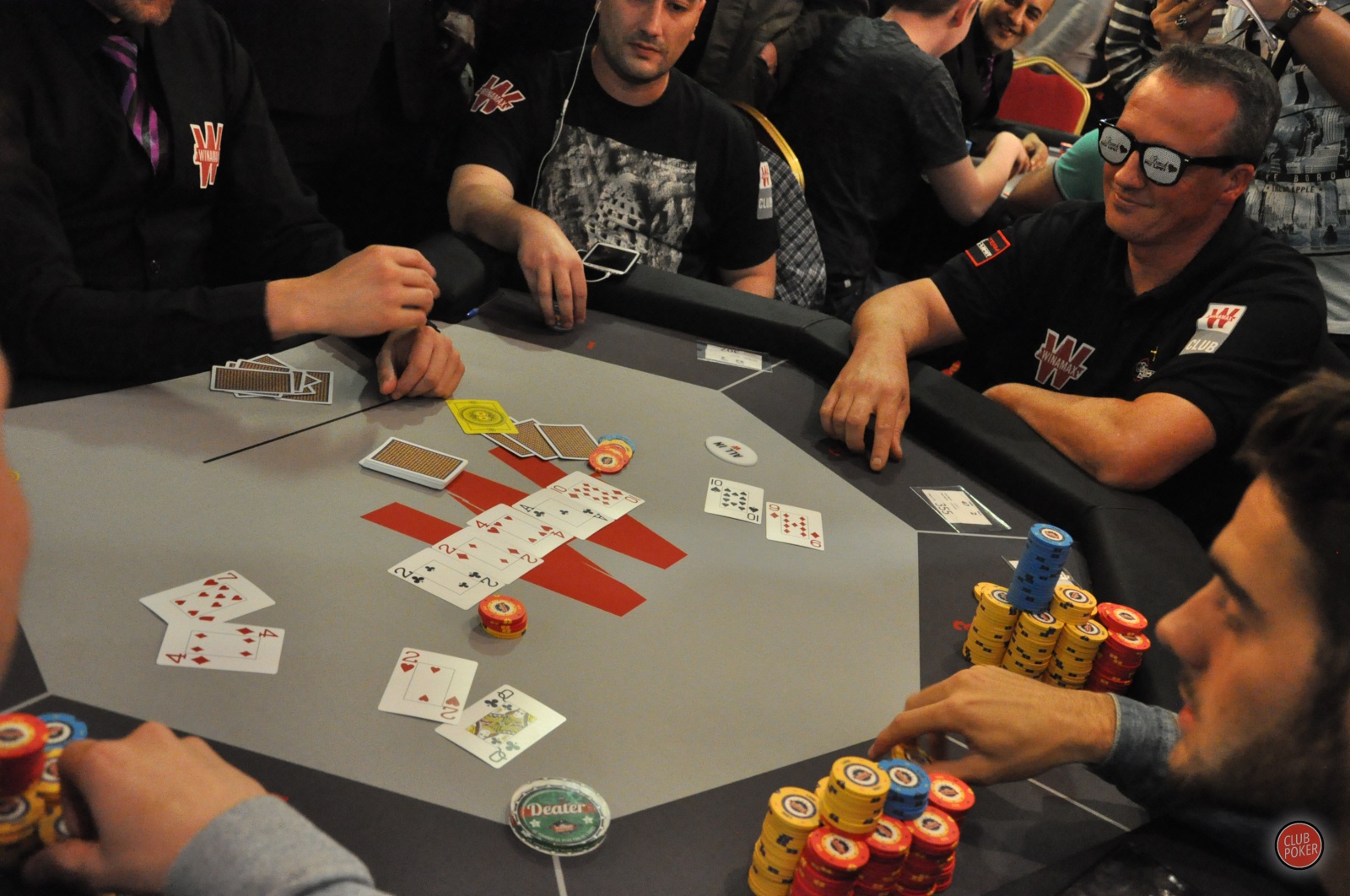
Arrange players around a table with comfortable seating, ensuring everyone has a clear view of
the cards and easy access to chips.
Standard Deck of Cards:
Use a standard 52-card deck for traditional poker games. Consider custom decks for added flair.
Chips and Betting:
Distribute poker chips to players for betting. Set minimum and maximum betting limits for each
round.
Dealer Rotation:
Rotate the dealer position clockwise after each hand, ensuring fair distribution of dealing and
betting responsibilities.
Blinds and Antes:
Establish blinds (forced bets) or antes (small forced bets by all players) to initiate betting
rounds and create a dynamic pace.
Game Variants:
Choose from popular poker variants like Texas Hold'em, Omaha, or Seven-Card Stud, based on
players' preferences and skill levels.
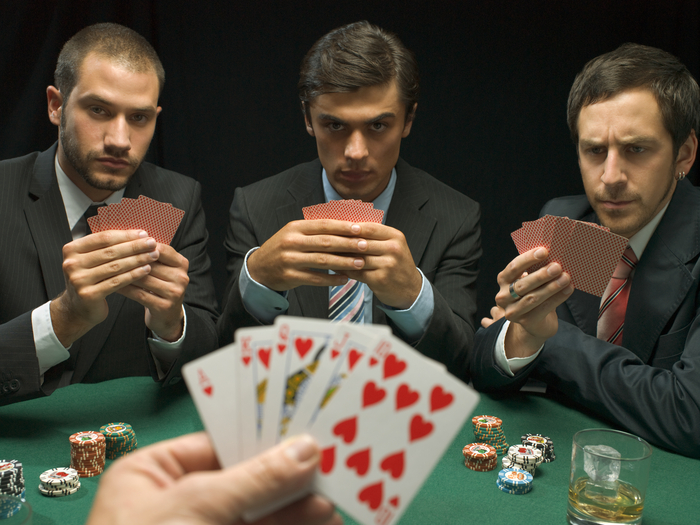
Hand Rankings:
Ensure players understand poker hand rankings, from high card to royal flush, to determine the
winner of each round.
Betting Rounds:
Coordinate betting rounds preflop, flop, turn, and river with clear betting options (check, bet,
raise, call, fold).
Bluffing and Strategy:
Encourage players to employ tactics such as bluffing, reading opponents, and strategic betting
to outmaneuver their rivals.
Etiquette and Conduct:
Promote respectful behavior, enforcing rules against inappropriate language or behavior, to
maintain a pleasant atmosphere.
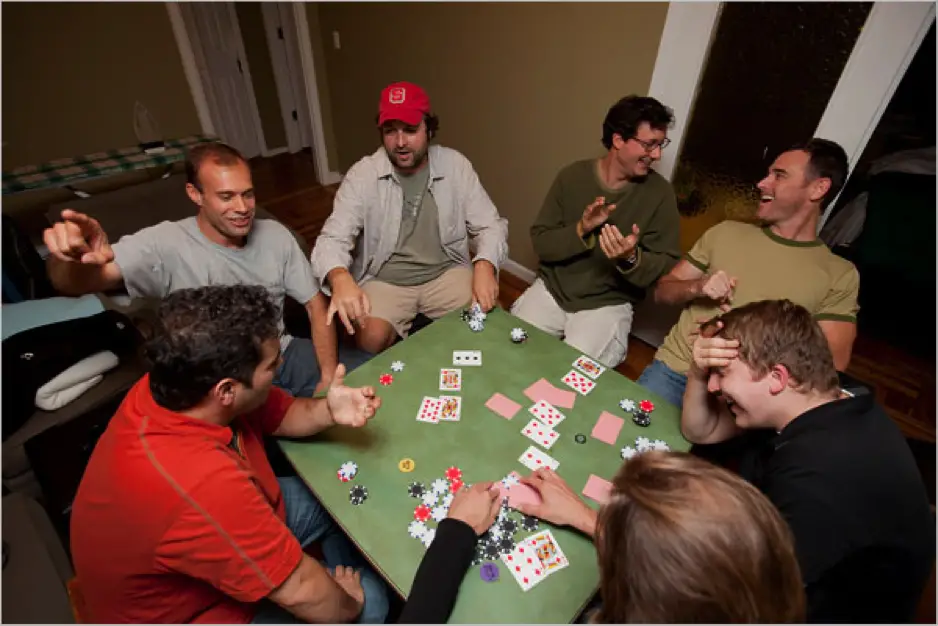
Side Games and Socializing:
Incorporate side games or casual conversation during breaks to foster camaraderie and enhance
the social experience.
Time Management:
Keep the game moving by setting time limits for making decisions and discouraging excessive
delays.
Payout Structure:
Determine the payout structure for winners based on the game variant and agreed-upon rules,
ensuring transparency.
Prizes and Rewards:
Offer prizes for winners, such as gift cards, poker accessories, or custom trophies, adding to
the competitive spirit.
Food and Drinks:
Provide snacks and beverages to keep players energized and engaged throughout the game.